

Kelli Russell and colleagues awarded grant from the National Science Foundation
Kelli Russell and colleagues awarded grant from the National Science Foundation
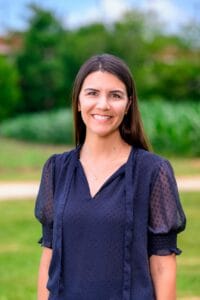 Kelli Russell, Assistant Extension Professor of Rural Sociology in the Department of Agricultural Economics and Rural Sociology at Auburn University, is part of a team that was recently awarded a ten-year grant from the National Science Foundation as part of their Regional Innovation Engines competition! The project, called the BRIDGES Engine, isan initiative designed to transform underutilized farmland in Alabama and Tennessee into a launchpad for biobased consumer products. BRIDGES aims to work with farmers in 45 Alabama counties and an additional 35 counties in Tennessee to convert low-performing or underutilized farmland into productive acreage for the grasses.

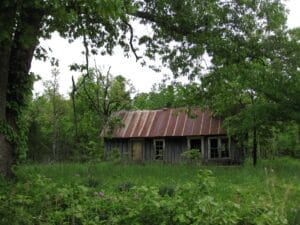 Erin Gaede, a Ph.D. student in the Sociology department at the University of Wisconsin-Madison, along with coauthors, recently published an article in The Daily Yonder titled “Research: Some Rural Residents Are Trading Nutrition for Shelter.” While housing insecurity and food insecurity are often discussed separately, they are deeply connected. When housing costs rise, residents with limited incomes are forced to cut back on food spending to make ends meet. In rural areas, this trade-off is even harder because healthy, affordable food is often less available and/or harder to access. The article draws on research funded by the Institute for Rural Partnerships.
 Jessica D. Ulrich-Schad, professor of sociology and director of Utah State University’s Community and Natural Resources Institute, was recently quoted in the Salt Lake Tribune. The article, titled “Were Trump’s national monument cuts what Utahns wanted? Here’s what polls have said,” referenced Schad’s survey data from 468 respondents in Utah; the university tapped sociologists based in rural parts of the state so the results didn’t overrepresent residents in urban areas. Her work and others find that most voters in Western states want existing national monuments kept in place and that there is discord between policy and priorities.
 Jean Hardy, associate professor in the Department of Media and Information and associate director of the Quello Center in the College of Communication Arts and Sciences at Michigan State University, was recently awarded a four-year grant from the National Science Foundation for a project titled “Understanding and Supporting Rural Community Adaptation to Workplace Automation.” Along with his co-PI Tara Behrend, Hardy will explore how rural communities in Michigan have adapted to decades of workplace automation in manufacturing and agriculture and how those experiences can help shape responses to future technological change.
 David Peters, professor of sociology and Extension Rural Sociologist at Iowa State University, recently published a variety of articles through the Iowa Small Towns Project. The project is an integrated research and extension effort to better understand the conditions and issues facing small Midwestern communities in the 21st century. Over the past month, Peters has published a variety of articles for the project, including “Iowa Population Change by Components, 2000-2025,” “Hired Employment and Wage Trends in Iowa’s Livestock Sector, 1975-2025,” and “Iowa Population Change by Components, 2000-2025.” Peters is well-situated to write these pieces, as he has published in top-tier journals in rural sociology, public health, agricultural economics, and criminology, and his specific research topics include rural population and health, rural poverty and inequality, and rural crime.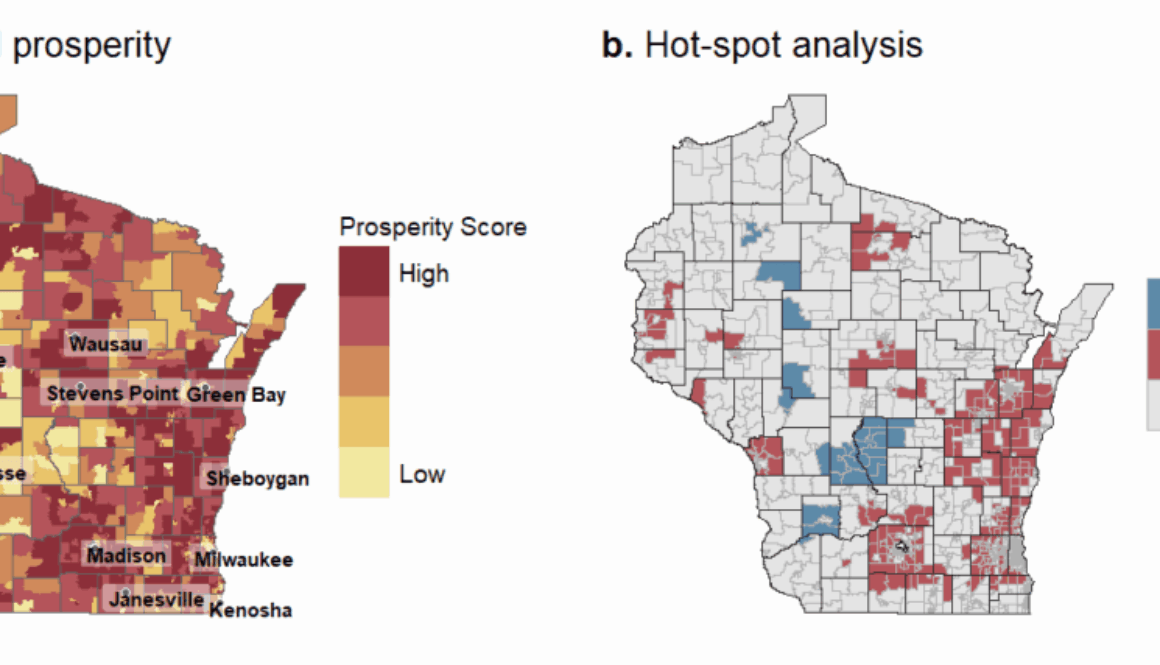
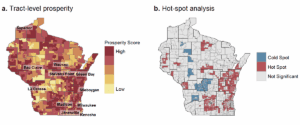 Danielle Schmidt-Larios, PhD candidate in the joint departments of Sociology and Community and Environmental Sociology at the University of Wisconsin-Madison, recently published a brief through the WIndicators project, a UW-Madison Extension project in Community Economic Development. Titled “WIndicators: Sharing Livability: Assessing the Link Between Rural and Urban Prosperity,” the brief discusses how local prosperity is influenced by neighboring regions, when communities work in partnership with their neighbors, they can collaborate on meeting the shared needs of residents, and while communities can leverage their proximity to one another, proximity alone cannot drive prosperity.
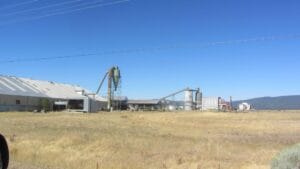 Florence Becot, Nationwide Insurance Early Career Professor and Agricultural Safety and Health Program Lead in the Department of Agricultural and Biological Engineering at Pennsylvania State University, recently published an article with her colleagues in the Journal of Agromedicine. Titled “Broadening Recruitment Paradigms to Increase Occupational Safety and Health Research Engagement,” the article is a brief that discusses how traditional randomized control trial methods are often ineffective and/or counterproductive for occupational research. The authors use a series of examples from previous research to propose new research paradigms to best study and serve communities such as farmers, commercial fishermen, and loggers.
 Rebecca Schewe, associate professor of sociology at Syracuse University and part of the National Sustainable Agriculture Coalition, recently published an analysis of recent USDA policies with her colleague Bernie Kluger. Titled “USDA Staffing Cuts Reduce Local Presence in Communities Nationwide,” the paper explains the depth and breadth of the ongoing USDA staffing crisis using previously unpublished data on Farm Service Agency (FSA) County employee cuts, as well as updates on previously reported nationwide cuts to staff across other USDA agencies. Federal personnel data from the US Office of Personnel Management confirms widespread headcount reductions across all USDA agencies, with the exception of staffing increases in the immediate office of the Agriculture Secretary.
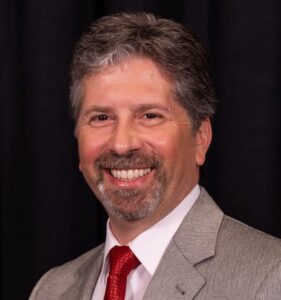 Gene Theodori, Associate Provost for Academic & Research Administration at Lamar University, was recently selected for the American Association of State Colleges and University’s Becoming a Provost Academy. He was one of 37 people selected for this year’s cohort. The program provides participants with targeted preparation in the key areas that define effective academic leadership. It is geared toward experienced deans, associate and assistant provosts, and other academic administrators, and focuses on building the capacity required to succeed as a chief academic officer. Cohort members gain a deeper understanding of institutional priorities while also strengthening their ability to lead in a rapidly changing higher education landscape. Participants engage in peer learning, share perspectives, and build lasting relationships that extend beyond the yearlong program.