Webinars / Online Events
Upcoming Events
The Viewshed Beyond Academia: Career Pathways for Rural Sociologists November 19, 2026 12:00PM EST
What happens when rural sociologists take their skills and training beyond the academy? In this panel, guests will share their experiences transitioning from academic careers into work outside higher education. Panelists will briefly introduce what they do now, describe their paths from academia to their current roles, and reflect on what the transition has been like for them both professionally and personally. Together, the panelists will offer a view of the range of career possibilities available to rural sociologists from a variety of research areas in the discipline.
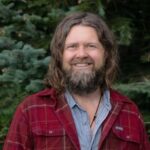
Presenter: Weston Eaton - National Laboratory of the Rockies
Weston M. Eaton is a Senior Researcher, Stakeholder Engagement and Social Science with the National Laboratory of the Rockies (NLR). Wes is a rural and environmental social scientist. His research focuses on whether and how participatory approaches to research and decision making, including community and stakeholder engagement, can help better manage complex socio-environmental issues centering on energy and water. Wes also designs, convenes, facilitates, and evaluates a range of stakeholder engagement processes. Prior to joining NLR in 2024, he worked with the University of Wyoming and Penn State University. Wes has a PhD in Sociology from Michigan State University.
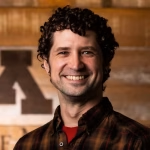
Presenter: Joshua Fergen - University of Minnesota, Memory Keepers Medical Discovery Team
Joshua Fergen is a rural sociologist and Senior Research Associate with the Memory Keepers Medical Discovery Team at the University of Minnesota Medical School, Duluth. He works with rural and Indigenous communities across northern Minnesota on dementia care and brain health, using community-based participatory research, qualitative methods, and spatial analysis. His research examines how rural and regional contexts shape access to dementia care and the availability of community support systems that shape quality of life and quality of dementia care in northern rural Minnesota. He holds a PhD in Rural Sociology from The Ohio State University.
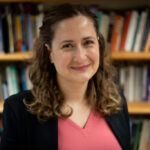
Presenter: Becky Schewe - National Sustainable Agriculture Coalition
Becky Schewe (she/her) has spent nearly twenty years researching agriculture, rural communities, and the environment. She holds an M.S. in Rural Sociology and a PhD in Sociology from the University of Wisconsin-Madison. She is a passionate advocate for a sustainable agricultural and food system and evidence-based policy. She comes to National Sustainable Agriculture Coalition (NSAC) from the Maxwell School for Citizenship and Public Affairs at Syracuse University where she has researched agricultural and food system policy impacts, conservation behaviors, and their connection with social systems like labor equity. She looks forward to helping NSAC use data to answer important questions about agricultural and food sustainability!
Past Webinars
Membership is required to view the recordings. If you are a member, log in. If you are not a member, join us!
From Research to Impact: Communicating Rural Research to Broader Audiences September 17, 2026 1:00PM EST
Rural-focused scholars often seek avenues and strategies for sharing their research findings beyond traditional peer-reviewed journal articles, academic books, and professional conferences. With myriad other publication and presentation pathways possible, it can be difficult to navigate the needs to package, communicate, and build dissemination networks for research. The panelists in this webinar will reflect upon experiences from their wide-ranging substantive areas of research and share thoughts, lessons learned, and practical tips on the elements of disseminating rural-focused research to the press, policy audiences, and general public. This event is co-sponsored through the Rural Sociological Society and the Interdisciplinary Network on Rural Population Health and Aging (Funded by the National Institute on Aging grant, R24AG089064).
Panelist: Florence Becot - Pennsylvania State University
Florence Becot is a rural sociologist and the Nationwide Insurance Early Career Professor in Agricultural Safety and Health at The Pennsylvania State University. She also leads the Penn State Agricultural Safety and Health Program. Broadly speaking, her integrated research-extension program seeks to understand and support agricultural communities’ ability to meet their social and economic needs, with an emphasis on health, safety, well-being, and economic viability.
More
Panelist: Matthew M. Brooks - Florida State University
Matthew M. Brooks is the Charles B. Nam is the Sociology of Population at Florida State University, where he is also the Associate Director for the Center for Demography and Population Health. His area of expertise relates to the social and family demography of rural America, and his research strives to understand the causes and consequences of population change on rural-urban disparities in poverty, health, and well-being. Matt’s work has been referenced by the New York Times, National Public Radio, 60 Minutes, and the Washington Post. Brooks is a frequent contributor to The Conversation.
Panelist: Mary Hendrickson - University of Missouri
Mary Hendrickson is Professor of Rural Sociology at the University of Missouri and serves as Director of the Interdisciplinary Center for Food Security. Her research explores the social and economic structures of agriculture and food, seeking ways farmers, eaters, and communities can create more sustainable food systems. Hendrickson has been a leading scholar on consolidation and concentration in the food and agriculture system, studying the impacts of such a system on farmers, workers, and communities as well as exploring new ways of conceptualizing policy responses around anti-trust.
More
Panelist: Tim Slack - Louisiana State University
Tim Slack is Professor of Sociology at Louisiana State University. His scholarship coalesces around the areas of social stratification and social demography, with an emphasis on geographic space and the rural-urban continuum as axes of difference. He has published extensively, including papers in Rural Sociology and the Journal of Rural Studies. With Shannon Monnat, he is the author of Rural and Small-Town America: Context, Composition, and Complexities (University of California Press, 2024), which received the Frederick H. Buttel Outstanding Scholarly Achievement Award from the Rural Sociological Society.
MoreDesigning Effective Research Posters May 19, 2026 12:00PM EST
Poster sessions are a staple of academic conferences and a powerful way to share your work, spark conversations, and build connections with fellow scholars. Yet many of us have never received formal guidance on what makes a research poster effective (or what to actually do while standing next to one). Whether you’re a graduate student preparing your first poster or a seasoned scholar looking to up your game, this webinar is for you. Shannon Monnat will walk through the key principles of high-impact poster design, share examples of what works (and what doesn’t) for both quantitative and qualitative research, and offer practical tips for making the most of your time during poster sessions — from layout and data visualization to engaging passersby in meaningful conversation about your research. This webinar is open to all RSS members and is especially useful for anyone presenting a poster at the 2026 annual meeting.

Presenter: Shannon Monnat - Syracuse University
Shannon Monnat is Director of the Center for Policy Research, the Lerner Chair in Public Health Promotion and Population Health, and Professor of Sociology in the Maxwell School of Citizenship and Public Affairs at Syracuse University. Monnat is a rural demographer and population health scholar whose research examines trends and geographic differences in health and mortality, with a special interest in rural health and health disparities. Monnat has published over 80 peer-reviewed journal articles and book chapters, and she regularly writes policy briefs for non-academic audiences.
MoreThe Current Policy Landscape and Its Implications for Rural Wellbeing and Opportunity January 22, 2026 12:00PM EST
Join us for a free webinar where a panel of experts from the Rural Sociological Society examine how today’s shifting policy environment is shaping rural wellbeing and opportunity. We’ll explore the impacts of the “big beautiful bill,” the recent federal shutdown, and state legislative sessions, highlighting how these developments create both challenges and openings for rural communities across the United States.
Panelist: Shannon Monnat - Syracuse University
Shannon Monnat is Director of the Center for Policy Research, the Lerner Chair in Public Health Promotion and Population Health, and Professor of Sociology in the Maxwell School of Citizenship and Public Affairs at Syracuse University. Monnat is a rural demographer and population health scholar whose research examines trends and geographic differences in health and mortality, with a special interest in rural health and health disparities. Monnat has published over 80 peer-reviewed journal articles and book chapters, and she regularly writes policy briefs for non-academic audiences.
MorePanelist: Becky Schewe - National Sustainable Agriculture Coalition
Becky Schewe (she/her) has spent nearly twenty years researching agriculture, rural communities, and the environment. She holds an M.S. in Rural Sociology and a PhD in Sociology from the University of Wisconsin-Madison. She is a passionate advocate for a sustainable agricultural and food system and evidence-based policy. She comes to National Sustainable Agriculture Coalition (NSAC) from the Maxwell School for Citizenship and Public Affairs at Syracuse University where she has researched agricultural and food system policy impacts, conservation behaviors, and their connection with social systems like labor equity.
More
Panelist: Kevin Alejandrez - Oregon Health Authority
Kevin Alejandrez is the School Outreach & Engagement Advisor for the Oregon Health Authority. There, he works at the intersection of health and education, partnering with education entities and youth-serving organizations across the state to share information about the Oregon Health Plan (Medicaid), and identify opportunities to increase awareness and access to services for youth and their families. He also serves as a community engagement consultant with Omnis Education, working with education leaders to advance educational equity and improve student outcomes in Oregon.
More
Panelist: Ann Eisenberg - West Virginia University
Ann Eisenberg is the Patrick D. Deem Professor of Law at West Virginia University College of Law and the Research Director for WVU’s Center for Energy and Sustainable Development. Her research examines how law affects rural populations and shapes the rural economy. Her 2024 book, Reviving Rural America, debunks common myths about rural people, places, and law, and was recently featured on the Aspen Institute’s 2025 List of Books for Rethinking Rural Development.