
Tim Slack and Shannon Monnat featured in ThriveIN podcast from Wabash County, Indiana
Tim Slack and Shannon Monnat featured in ThriveIN podcast from Wabash County, Indiana
 Tim Slack, professor of sociology at Louisiana State University, and Shannon Monnat, professor of sociology and Lerner Chair in Public Health Promotion and Population Health at Syracuse University, were recently featured in the ThriveIN podcast from Wabash County, Indiana. The interview focused around their recent article in The Conversation, where they note that rural communities have been shaped by simplified (and often inaccurate) narratives about politics, poverty, opportunity, and decline. They break down six of the most common myths and explain what the data actually reveals about rural life in America today. The conversation in the podcast explores how these misconceptions influence media coverage, public policy, and even how rural residents see themselves.
 Lisa Pruitt, current RSS president and Brigitte Bodenheimer Research Scholar and Distinguished Professor of Law at the University of California, Davis, was recently consulted for and quoted in an article in the Guardian. Titled “The powerful Democrat trying to win over California’s rural voters,” the piece discusses the campaign of Mike McGuire, who has recently gained popularity for visiting rural areas and proposing rural-focused policies. However, some analysts believe he will not win his special election, including Pruitt, who was asked about the campaign in the context of her expertise in rural law. She noted that while the candidate seems to understand rural issues, he is from a major population center, which may turn away rural voters.
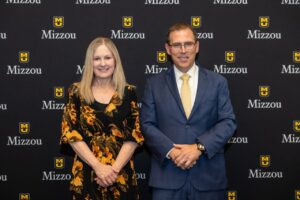 Eileen Avery, associate professor of Sociology at the University of Missouri, was recently a recipient of the university’s Provost Awards for University Citizenship. She was awarded the service award. Recipients of the service award have made exceptional contributions to achieving one or more goals of the university, while embodying the values of the university. Examples of service include, but are not limited to, committee work, campus-wide programming or initiatives, and community service at local, state, regional, national, or international level. Avery’s research focuses on economic, social, and built environments, residential change, and health and well-being in rural and urban context. She teaches courses in sociology of health, urban sociology, and criminology.
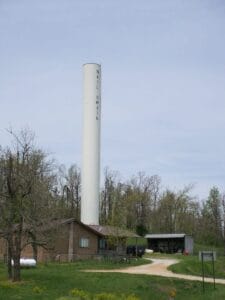 Kayleigh Ward, research faculty and lecturer at the University of Colorado Boulder, recently published a paper with her colleagues in Environmental Sociology titled “Values at the tap: how organizational culture shapes water unaffordability and environmental justice in U.S. cities.” The article uses Schlosberg’s three justice dimensions with Schwartz’s human values theory to examine how organizational values inside municipal water utilities shape pricing and customer assistance. The authors conducted a series of interviews and found that policies that name affordability as an objective, institutionalize participation, and pair ecological mandates with affordability funding are imperative to environmental justice in terms of the water supply.
 Edith-Marie Green, a PhD candidate in population healths sciences at the University of Wisconsin-Madison, recently published a commentary titled “Why Everyone Should Care About Population Aging (And What’s Being Done About It in Terms of Policy” in Science Policy in a SNAP. SNAP, the Scientist Network for Advancing Policy, is a nationwide, non-partisan, grassroots gathering of science policy-minded early career researchers from across the United States. Green’s piece addresses rapid population aging, ageism, and potential policy and advocacy approaches to address the aging crisis, ending with a call to action to promote healthy intergenerational relationships and supports.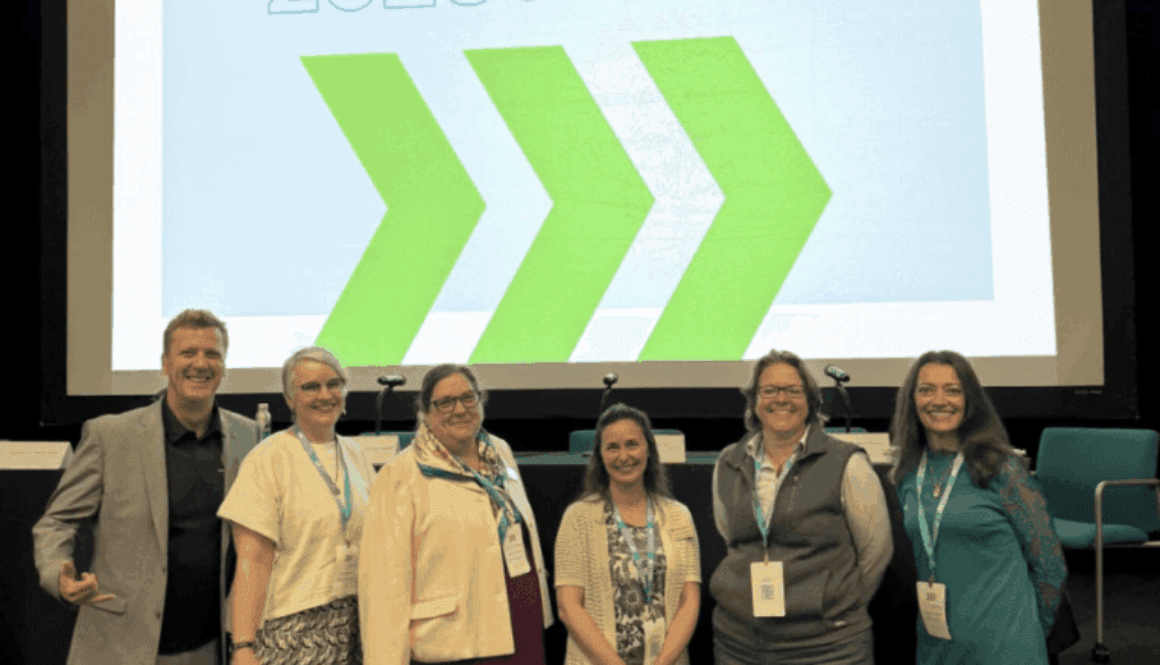
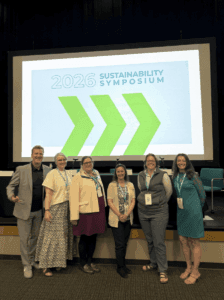 Aysha Bodenhamer, Manager of Sustainability and Associate Professor in the College of Humanities and Behavioral Sciences at Radford University, recently spoke on a panel at Coastal Carolina University’s 2026 Sustainability Symposium. Titled “Sustaining Our Shared Spaces: Stewardship of Public Lands and the Next Generation,” the panel covered a wide range of matters such as preserving public lands at the Waccamaw National Wildlife refuge, fostering indigenous graveyards in Galloway, New Jersey, operating on the New River banks in Radford, Virginia, and utilizing public lands on university grounds to benefit the campus and community of Kapolei, Hawaii.
 Alex Theophilus, a PhD student in sociology with a focus on environment & community at Utah State University, was recently featured in the university’s WhyArtSci interview series. The series highlights exceptional students in the university’s College of Arts and Sciences. Alex has published research on rural community wellbeing, the community impacts of tourism and amenity migration, and the sociology of food & agriculture. Much of Alex’s current research focuses on rural community development and the impacts of population growth and economic transitions on high amenity rural communities. On campus, Alex plays a big role in USU’s Community and Natural Resources Institute (CANRI).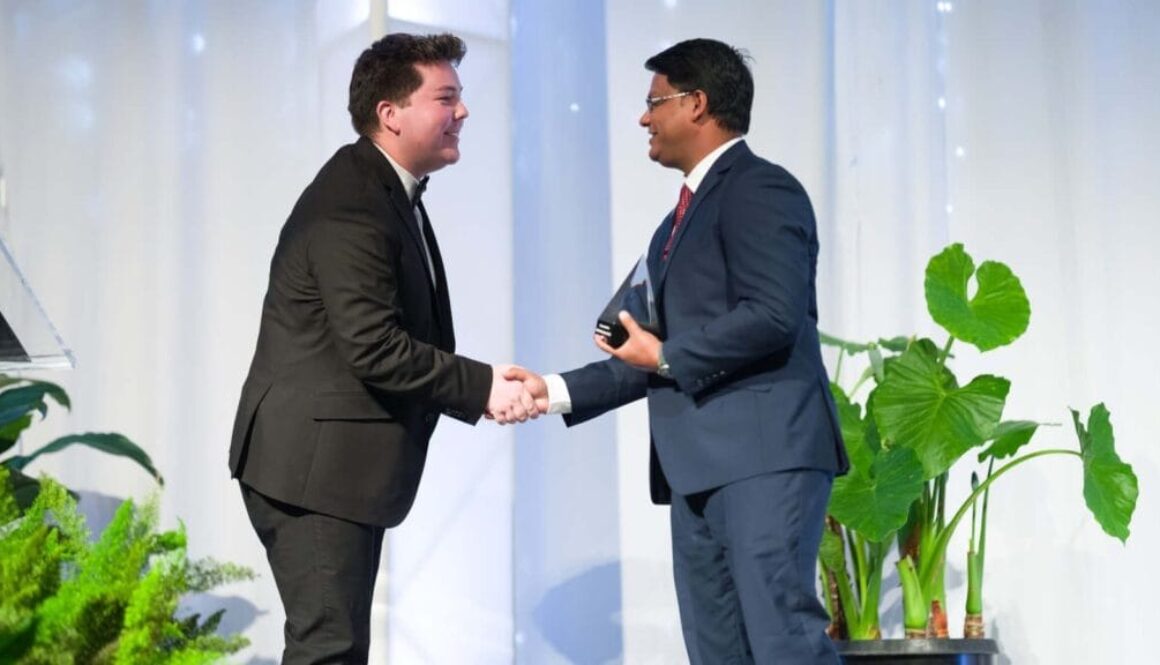
 Mufti Nadimul Quamar Ahmed, a PhD candidate in Environmental Sociology at Utah State University, was recently awarded Achievement of the Year at the 2026 Robins Awards. The awards recognize students, faculty, staff and organizations for their achievements, leadership and service. Mufti’s academic and community engagements are rooted in sustainability, environmental justice, and the lived experiences of marginalized populations, including immigrant communities in the United States and environmentally vulnerable populations in Bangladesh. Mufti’s PhD research examines how climate change and environmental issues shape Utahns’ migration decisions and fertility planning.
 Chris Morris, post-doctoral scholar in the Department of Sociology and Criminal Justice at Iowa State University, was recently interviewed for Iowa Podcast. Morris spoke about farmer trauma and risk aversion. Morris’s research shows stress from farming has a compounding effect over time and becomes mentally destructive. The resulting trauma not only results in risk averse behavior and higher than average suicide rates, but is passed down. In the podcast, he also touched on intergenerational expectations and the mental health gap in rural Iowa.