Kautstubh Kumar and Douglas Jackson-Smith (the Ohio State University) recently published an article in the journal "Environmental Science & Policy"
🔗 Read More
🔗 Read More

Hannah Haksgaard, a professor at the University of South Dakota, was awarded the Professional Scholarship Award by the American Agricultural Law Association for her recent book
🔗 Read More
🔗 Read More
Jessica A. Shoemaker, a Law Professor at the University of Nebraska, was recently awarded the Professional Scholarship Award by the American Agricultural Law Association
🔗 Read More
🔗 Read More
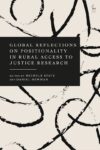
Hannah Haksgaard, Elizabeth Chambliss, Joseph Donnermeyer all authored chapters for the recent Bloomsbury Collections book “Global Reflections on Positionality in Rural Access to Justice Research”
🔗 Read More
🔗 Read More
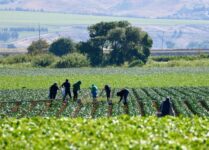
Shannon Monnat, Ken Johnson, and Lisa Pruitt were all quoted in a recent Newsweek article on recent American Communities Project survey results; the survey studies heterogeneity across rural areas.
🔗 Read More
🔗 Read More

Catherine Biddle (University of Maine) was quoted in a recent New York Times Opinion piece on rural education, especially as it pertains to wraparound services and challenges in providing those.
🔗 Read More
🔗 Read More

RSS Member Matt Brooks (Florida State) was quoted in a recent National Public Radio piece on the impact of the current administration on population flows and migration trends.
🔗 Read More
🔗 Read More
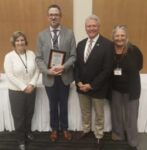
The Rural Renewal Research Prize is an award given to a global leader in rural renewal research, education, and engagement by the Oklahoma State University Rural Renewal Initiative. The prize honors individuals who have made significant contributions to the renewal of rural communities and is awarded at the annual Rural Renewal Symposium, which was held in Woodward, Oklahoma, in November 2025.
🔗 Read More
🔗 Read More

When enrollments decline, school boards often shutter schools, but this rarely saves money and always hurts kids and communities.
🔗 Read More
🔗 Read More

New York Times columnist Thomas Edsall referenced the work of former RSS President, Jennifer Sherman of Washington State University, in his recent coverage of the Trump administration’s failure to fund SNAP benefits, formerly known as food stamps
🔗 Read More
🔗 Read More